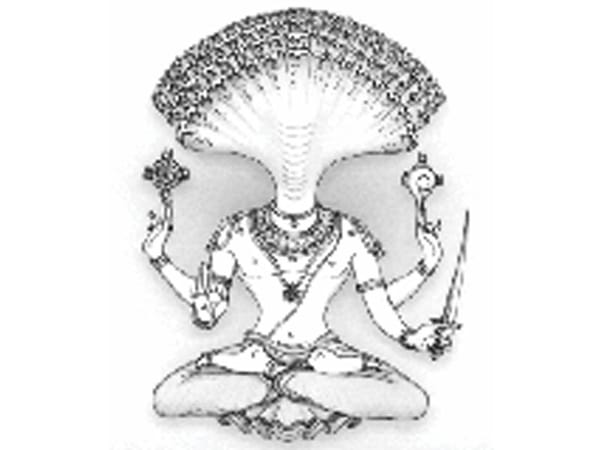
Yogsutras of Patanjali – Sadhan Paad 16,17
16. Having explained how every pleasure is in fact pain; Patanjali begins to describe the process to end pain, Heyam dukhamanaagatam Heyam: Ought to be

16. Having explained how every pleasure is in fact pain; Patanjali begins to describe the process to end pain, Heyam dukhamanaagatam Heyam: Ought to be
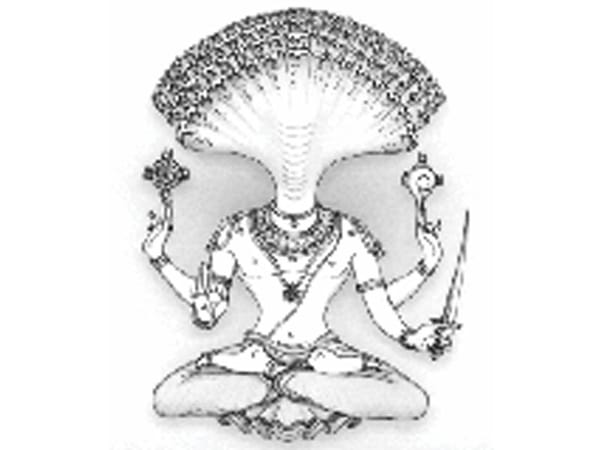
Patanjali now explains how even pleasure is in fact pain only, Parinaamataapasanskaaradukhairgunavrittivirodhaachch dukhamev sarvam vivekinah Parinaam: Result Taapa: Heat Sanskaar: Impressions Dukhaih: The three kinds
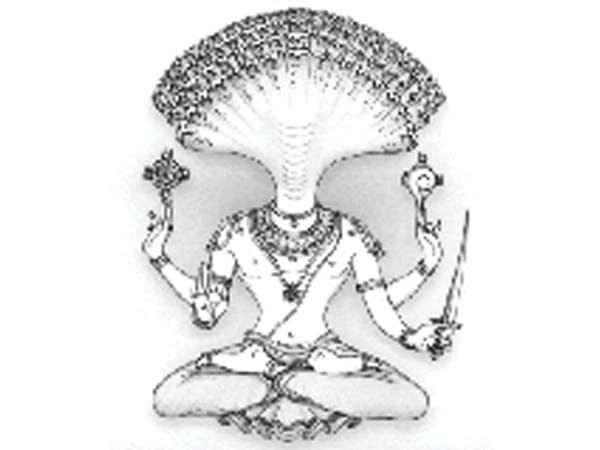
Patanjali lists the types of results in the form of birth, lifespan and experiences, Te hlaadaparitaapaphalaah punyaapunyahetutvaat Te: They (janm, ayu & bhog) Hlaad: Pleasure
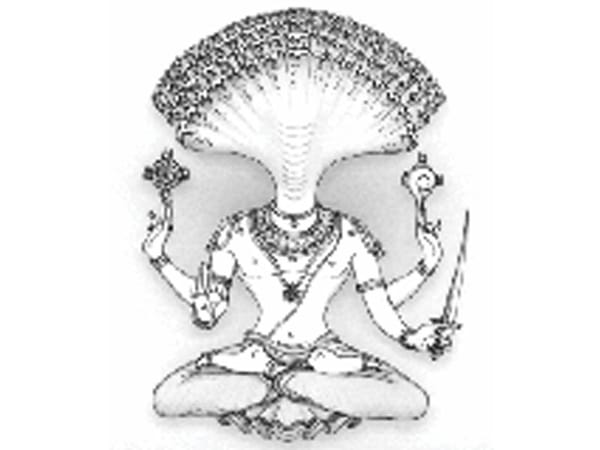
Patanjali further delves upon kleshas and their effects, Kleshmoolah karmaashayo drishtaadrishtjanmvedneeyah Klesh-moolah: Rooted in kleshas Karm-aashayah: Collection of karmas Drisht-adrisht: Present and future Janm: Births
Eliminate kleshas, Dhyaanheyaastadvrittyah Dhyaan: Dhyan Heyaah: Destroyed Tad: Its Vrittayah: Modifications The modifications of chitta are destroyed by Dhyan. There are three states to the
Patanjali details the process to eliminate kleshas which were made subtle by practice of kriya yog, Te pratiprasavheyaah sukshmaah Te: Them (5 kleshas) Pratiprasav: Return
2.6 Patanjali now describes asmita, Drigdarshanshaktyorekaatmatevaasmitaa Drik: Atma, seer Darshan: Buddhi, discernment Shaktayoh: Shakti Ekaatmat: To perceive as same Ev: Only (is) Asmita: Ego
Patanjali calls avidya the root of other kleshas, Avidya kshetramuttareshaam prasuptatanuvichchinnodaaranaam Avidya: Falsehood Kshetram: Field, basis Uttareshaam: For others (other kleshas) Prasupta: Latent Tanu: Subsided
2.1 Tapah svadhyay-eshvarpranidhaanaani kriyayogah Tapah: Penance Svadhyay: Self-study Ishvar Pranidhaan: Surrender to Divine Kriya: Action/practice Yogah: Yog Tapa, Svadhyay and Ishvar Pranidhaan comprise